


By: Grarang Kuot
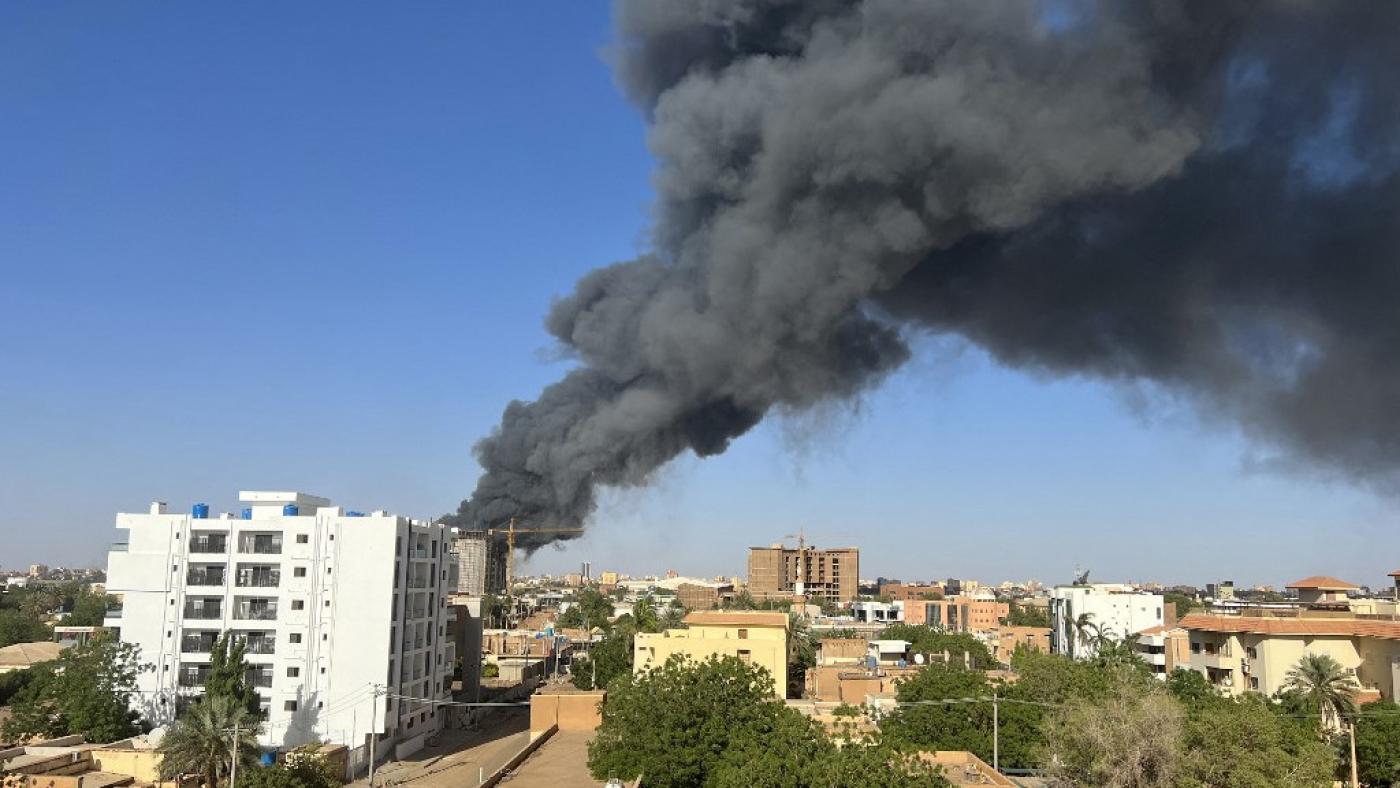
On Saturday, 15th April, 2023, fighting erupted in the Sudanese capital Khartoum between the Sudanese national army, the Sudan Armed Forces (SAF) and the Rapid Support Forces (RSF), a paramilitary, militia group which has been operating in Darfur, a region in Western Sudan.





The Republic of Sudan lies in the Northern part of the African continent, bordering Egypt in the North, Libya in the North-West, Chad in the West, Saudi Arabia in the North-East (across the Red Sea), Eritrea and Ethiopia in the East and the Republic of South Sudan in the South.
Sudan is what remained after then Southern Sudan, now the Republic of South Sudan broke out in 2011 after a long and agonizing civil war between the then Sudan People’s Liberation Movement (SPLA) then led by Dr. John Garang De Mabior and the Sudan Armed Forces (SAF), then led by then President Omar Al-Bashir ended in a referendum in Southern Sudan, in which the people of Southern Sudan overwhelmingly voted to secede from Sudan and become an independent sovereign country, the Republic of South Sudan.
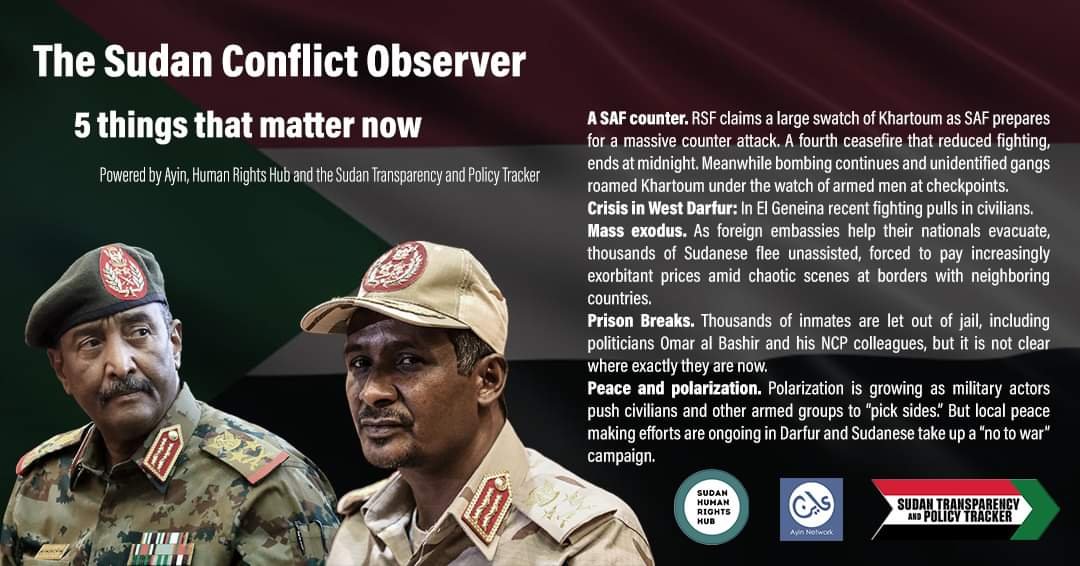
As already mention, the parties to the current Sudanese conflict are the Sudanese Army, the Sudan Armed Forces (SAF), led by the army commander and Head of the ruling Sudan Sovereign Council, General Abdel Fattah Al-Burhan and a paramilitary militia group, the Rapid Support Forces (RSF), led by the deputy head of the Sudan Sovereign Council, General Mohammed Hamdan Dagalo alias Hemedti.
In around 2000s, pro-democracy rebellions erupted in the Sudanese Western region of Darfur against the then long and excruciating dictatorship of then President Omar Al-Bashir. To quell these rebellions, President Al-Bashir supported the “Janjaweed”, then a militia group operating in Darfur. The ostensible rationale for this support was that, the “Janjaweed” would support the national army in dealing with the rebellions. The actions of the combined forces of the “Janjaweed” and the SAF orchestrated what the International Criminal Court (ICC) calls War Crimes and Crimes against Humanity for which some of the top military commanders in Sudan, including Al-Bashir were indicted by the ICC prosecutors.
The “Janjaweed” evolved over time into what is now called the Rapid Support Forces (RSF). The RSF is now headed by General Mohamed Hamdan Dagalo alias Hemedti, who, as already mentioned serves as the deputy head of the ruling Sudan Sovereign Council. The force was deployed in Darfur, South Kordofan and Blue Nile.
From around 2015, the RSF, alongside the SAF started sending troops to fight alongside the Saudis and the Emiratis in Yemen. This move created a lasting friendship between general Hamdan, the Saudis and the Emiratis.
In 2017, a law was passed in Sudan legitimizing the RSF as an independent security force. This move was vehemently opposed by the Sudanese Army; the SAF who rightly pointed out that it would result into conflict within the armed forces of Sudan. The existence of these two independent military forces in a single country is partly responsible for the intensity and a likely longevity of the Sudanese crisis (I shall get back to this point later).