


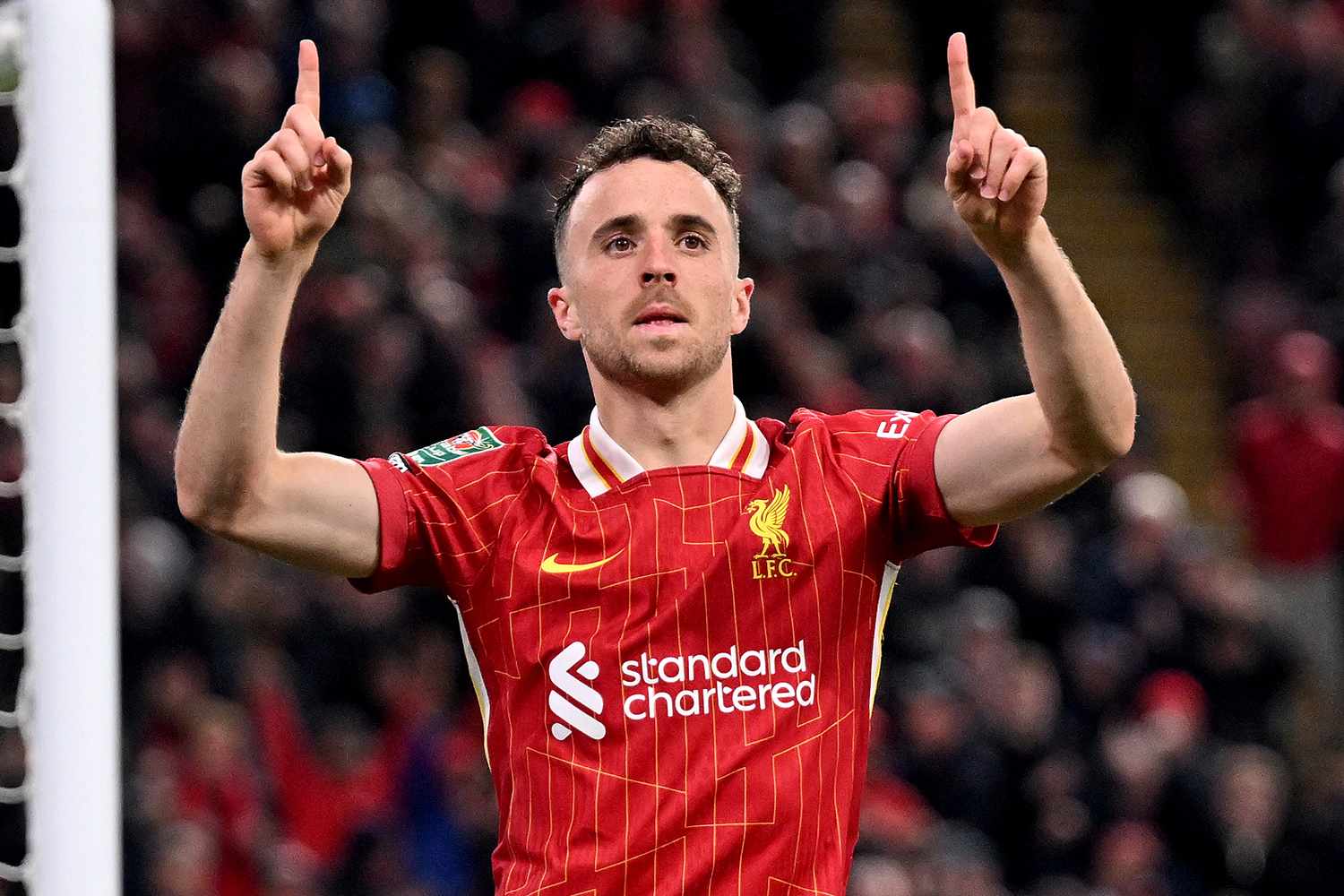
The sudden passing of any individual is a tragedy, but when it involves a high-profile professional athlete like Diogo Jota, the emotional shockwaves extend far beyond personal grief, touching millions of fans and raising complex legal questions. Beyond the profound human loss, the demise of a professional footballer triggers a cascade of legal and contractual implications, particularly concerning their active employment contract with a club. Diogo Jota who had an on-going contract with Liverpool FC until 2027 passed away today in a very sad accident with his 25 year old brother, André Silva who was also playing professional football for FC Penafiel, a club in Portugal’s Second Division. This article explores the general legal ramifications that would typically arise in such an unforeseen circumstance, focusing on the interplay of contract law, sports regulations, and succession. Liverpool forward Diogo Jota had signed a contract keeping him at the club until 2027.
It is a trite fact that the Latin maxim “Actio personalis moritur cum persona” signifies that if the performance of a contract is dependent on the unique skill, ability, or personal presence of one of the parties, the death of that party renders the contract impossible to perform and thus terminates it. Diogo Jota’s contract with Liverpool FC, being a contract for his personal services as a footballer, would fall under this principle.





Termination of the Employment Contract
At the core of a professional footballer’s relationship with their club is an employment contract. This contract, governed by national labor laws, in this case, likely UK law, given Liverpool’s location, and FIFA regulations, outlines the player’s duties, remuneration, and the terms of engagement.
Upon the death of a player, the employment contract is generally terminated automatically due to impossibility of performance. A contract of personal service, by its very nature, cannot be fulfilled if the individual providing the service is no longer alive. This is a fundamental principle of contract law. The club is no longer obligated to pay future wages or provide benefits for services that cannot be rendered.
However, any salary, appearance fees, or performance-related bonuses that were earned by the player up to the date of their passing, but not yet paid, would typically form part of their estate. The club would be obligated to pay these outstanding amounts to the player’s legal representatives or designated beneficiaries of the deceased estate. ( Standard employment law principles; The FA Guide to payments to contract and non-contract players which outlines how payments like wages and performance bonuses are recorded and paid.)
Another important aspect in Modern football professional contracts is Guaranteed Money: Professional sports contracts, especially for high-value players, often include “guaranteed money.” This can refer to base salaries, signing bonuses, or other forms of compensation that are guaranteed regardless of injury or performance (within certain parameters). If a portion of Jota’s contract included guaranteed sums that were yet to be fully disbursed, these amounts would likely become payable to his estate. The specific terms of his individual contract would dictate what portion, if any, of his remaining contract value was guaranteed.
Now, another interesting aspect to look into is Image Rights and Endorsement Deals: Professional athletes often have separate contracts for their image rights and various endorsement deals. The terms o