


Nkumba University has concluded a two-day research seminar aimed at equipping master’s students with practical approaches and techniques for conducting graduate-level research.
Held under the theme “Approaches and Techniques of Doing Research at Master’s Level,” the seminar saw a collection of postgraduate students at Master’s level converge in Mpanga Library for an intensive and interactive engagement with facilitators who guided participants through key aspects of academic research, from proposal development to scholarly publication.


The seminar started yesterday, 16th May 2026, with a series of presentations focused on Research Introduction, Literature Review, research design, data analysis, and academic publication, areas the university says are critical in preparing graduate students for independent inquiry and evidence-based scholarly research.
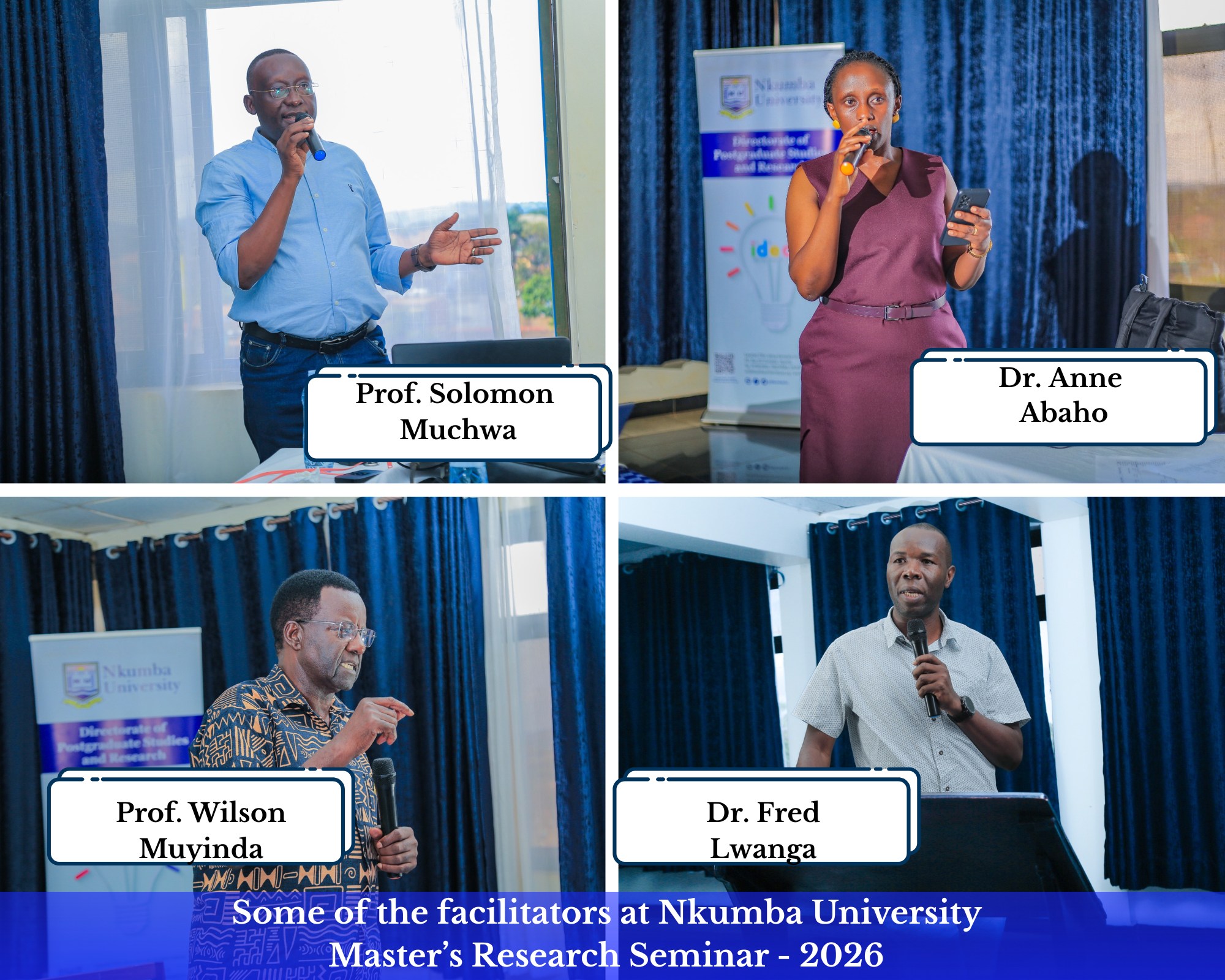
Prof. Faustino Orach Meza and Dr. Anne Abaho took charge of day one, while Dr. Fred Lwanga, Prof. Wilson Muyinda Mande, and Prof. Solomon Muchwa Asiimwe handled day 2.
Dr. Fred Lwanga led sessions on research methodology, taking students through research design, study population, sampling techniques, data collection methods and tools, as well as data processing and analysis. He emphasized the importance of aligning research methods with study objectives to ensure the validity and reliability of findings. “Research begins with clarity of purpose. Once students understand the problem they are investigating, the methodology becomes the bridge that leads them to credible findings,” Dr Lwanga told participants.
Prof. Wilson Muyinda Mande delivered a session on the format for presentation and analysis of research findings, taking students through the university’s academic guidelines for structuring dissertations. His presentation also covered interpretation of findings, drawing conclusions, and making recommendations based on evidence generated through fieldwork.
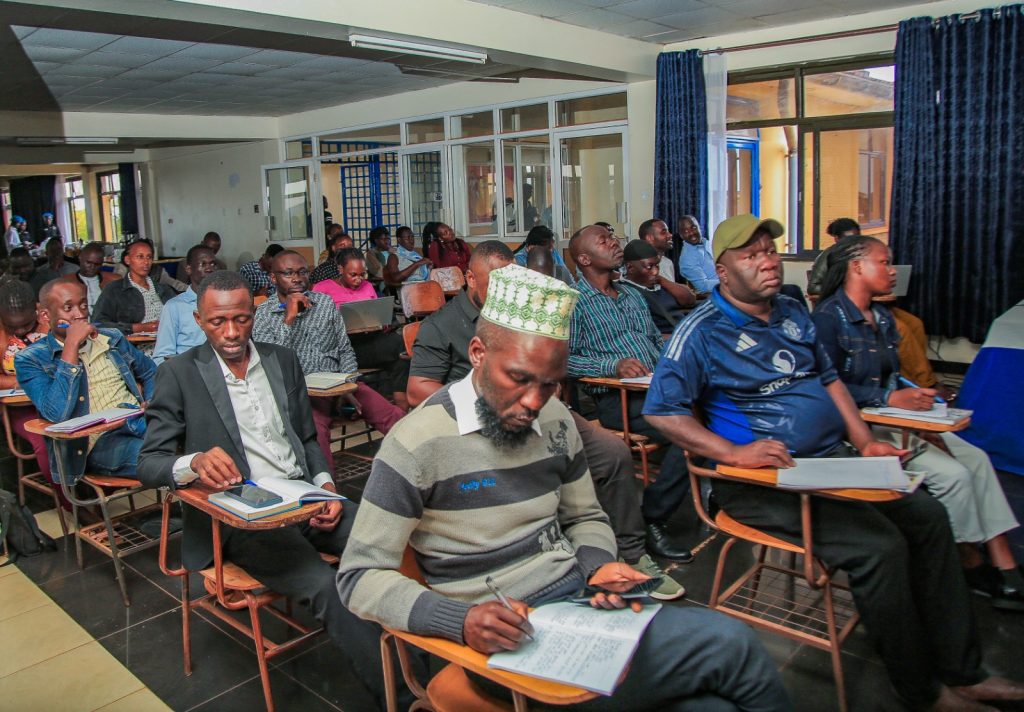
He urged students to pay close attention to how research findings are presented, noting that quality academic work is measured not only by data collection but by how clearly evidence is analyzed and communicated. “Good research should tell a story through evidence. The presentation of findings determines whether your work can influence policy, scholarship, or practice,” Prof Mande said.
The seminar also addressed scholarly publishing, with Prof. Solomon M. Asiimwe taking participants through the process of converting dissertations into publishable journal articles or books. He explained the authorship process, noting that a student normally takes first authorship while the supervisor appears as second author, depending on contribution.
Prof. Asiimwe said successful publication requires a well-developed manuscript, adherence to academic standards, subject mastery, and proper structuring of scholarly papers. “Completing a dissertation should not mark the end of research. Students should aim to transform their findings into articles and books that contribute to knowledge and society,” he said.
Some students described the seminar as timely, saying it exposed them to university research policies and procedures that many had not previously encountered.
Mr. Komakech Charles, a Year Two Semester One student pursuing a Masters in Public Health, appealed to university management to increase the frequency of the seminar to at least twice a year. “This seminar has been of great importance. In fact, I did not know we had a research policy and guidelines. Such knowledge is important, and I request management to consider having this seminar twice a year,” he said.
The Directorate of Postgraduate Studies and Research has, in recent years, expanded academic support initiatives for graduate students as the university seeks to boost research culture and improve completion rates for postgraduate programs.
Established in 1994, Nkumba University has grown into one of Uganda’s leading pri