


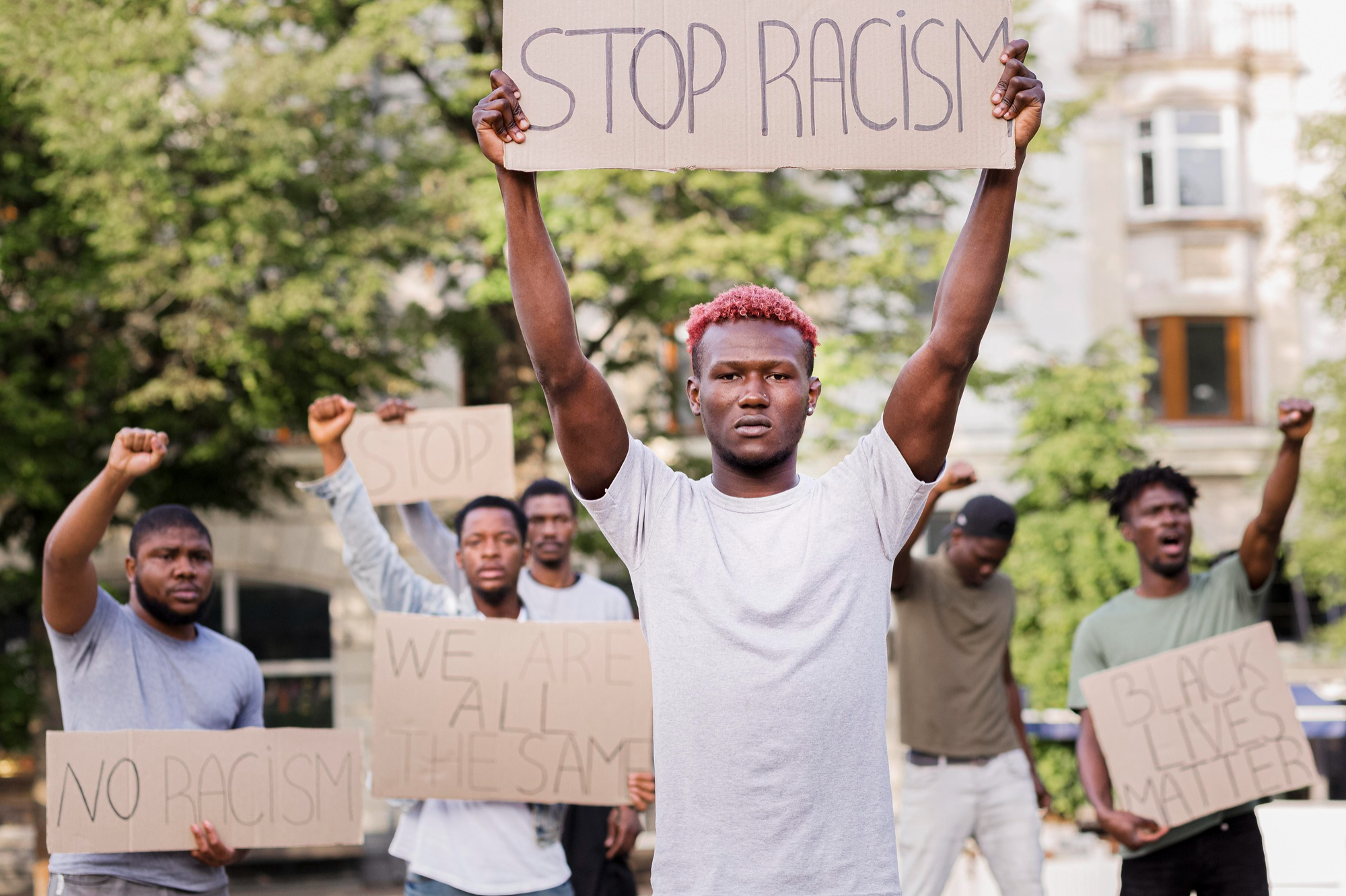
Civic space refers to the environment that enables civil society to operate freely, including the freedoms of expression, association, and peaceful assembly. In Uganda, these freedoms are constitutionally guaranteed under Articles 29 and 38[1]. However, numerous laws continue to restrict these freedoms in practice, thereby shrinking the civic space. Reforming such restrictive laws is essential not only for compliance with constitutional principles but also to advance democratic governance, human rights, and inclusive development.
A vibrant civic space ensures that citizens participate meaningfully in public affairs, demand accountability, and express diverse opinions without fear. According to the CIVICUS Monitor, Uganda’s civic space is rated as “repressed,” meaning that legal, administrative, and extra-legal tools are used to suppress dissent and control civil society. Legal reform, therefore, becomes a matter of urgency to restore constitutional order, build public trust in institutions, and promote inclusive governance.





This article critically evaluates the existing restrictive legal frameworks in Uganda that inhibit civic space, analyzes their constitutional compatibility, and proposes reforms while drawing comparative insights from other jurisdictions. The objective is to recommend actionable legislative reforms and judicial practices that align with international human rights standards and empower citizens to freely engage in civic life.
1.1.1.0 Legal Framework Governing Civic Space in Uganda
1.1.1.1 Constitutional Provisions
The Constitution of Uganda, 1995, is the supreme law and guarantees civic freedoms under:
Article 29(1) (a)[2] – Freedom of speech and expression.
Article 29(1) (b)[3] – Freedom of assembly and association.
Article 38 – Right to participate in public affairs.
These provisions mirror the international human rights instruments to which Uganda is a party. Article 43[4] of the Constitution allows for the limitation of rights only when demonstrably justifiable in a free and democratic society. However, in many instances, these limitations have not passed the constitutional test of necessity and proportionality.
For example, in Rtd Col Dr Kizza Besigye v Electoral Commission & Anor[5], the Supreme Court acknowledged that state agencies had unduly interfered with opposition political activities, raising questions about Uganda’s commitment to constitutional democracy. The Court noted that state interference in campaigns, including arrests and blockades, violated the petitioner’s rights under Articles 29 and 38 of the constitution.
1.1.1.2 Restrictive Statutes
a) Public Order Management Act, 2013 (POMA)
POMA was enacted to regulate public assemblies and demonstrations. Section 5 of POMA requires prior notification to police, which in practice has been enforced as a mandatory approval regime. This has had a chilling effect on civic activism, particularly for opposition political parties and civil society actors. The Act grants excessive powers to police to stop, prevent or disperse gatherings on vague grounds such as the “interest of public order.”
In Muwanga Kivumbi v Attorney General[6] the Supreme Court struck down similar discretionary powers granted under the Police Act, stating they violated Article 29. The decision highlighted the need for laws to provide objective criteria and clear safeguards against abuse. Despite this, POMA replicates many of the unconstitutional provisions previously invalidated.
b) Non-Governmental Organisations Act, 2016
The NGO Act grants the National Bureau for NGOs broad powers to register, monitor, and discipline civil society organizations. Under Section 44, an NGO can be suspended for activities deemed contrary to the interests of Uganda. This has led to suspension of numerous organizations critical of government policies, without due process.
In 2021, the Uganda National NGO Forum and 53 other NGOs were indefinitely suspended by the NGO Bureau, with limited avenues for judicial redress. This administrative high-handedness undermines the right to freedom of association under Article 29(1)(e) and violates Article 21[7] on equality and non-discrimination.
c) Computer Misuse (Amendment) Act, 2022
The amendment criminalizes offensive communication, malicious information, and cyber harassment. While ostensibly designed to protect online safety, its enforcement has disproportionately targeted government critics, journalists, and human rights defenders. For example, writer Kakwenza Rukirabashaija was arrested and tortured in 2021 over tweets deemed offensive to public officials.
This violates Article 29(1) (a) and Uganda’s obligations under Article 19 of the ICCPR. The vague terms such as “offensive,” “ridicule,” and “malicious” fail to meet the standards of legality and foreseeability, as clarified in Andrew Karamagi & Anor v Attorney General [8]
1.2.0 Constitutional and Human Rights Concerns
The right to freedom of expression, association, and assembly is central to a democratic society. Any interference must satisfy a three-part test established under international human rights law: legality, necessity, and proportionality.
Uganda’s constitutional framework is grounded in Article 20(2), which provides that rights are inherent and not granted by the state. Therefore, any limitation must be strictly construed.
In Charles Onyango Obbo & Anor v Attorney General[9] the Supreme Court ruled that penalizing publication of information deemed “false” was unconstitutional unless demonstrably justifiable. The Court emphasized that freedom of expression includes the right to offend, s