


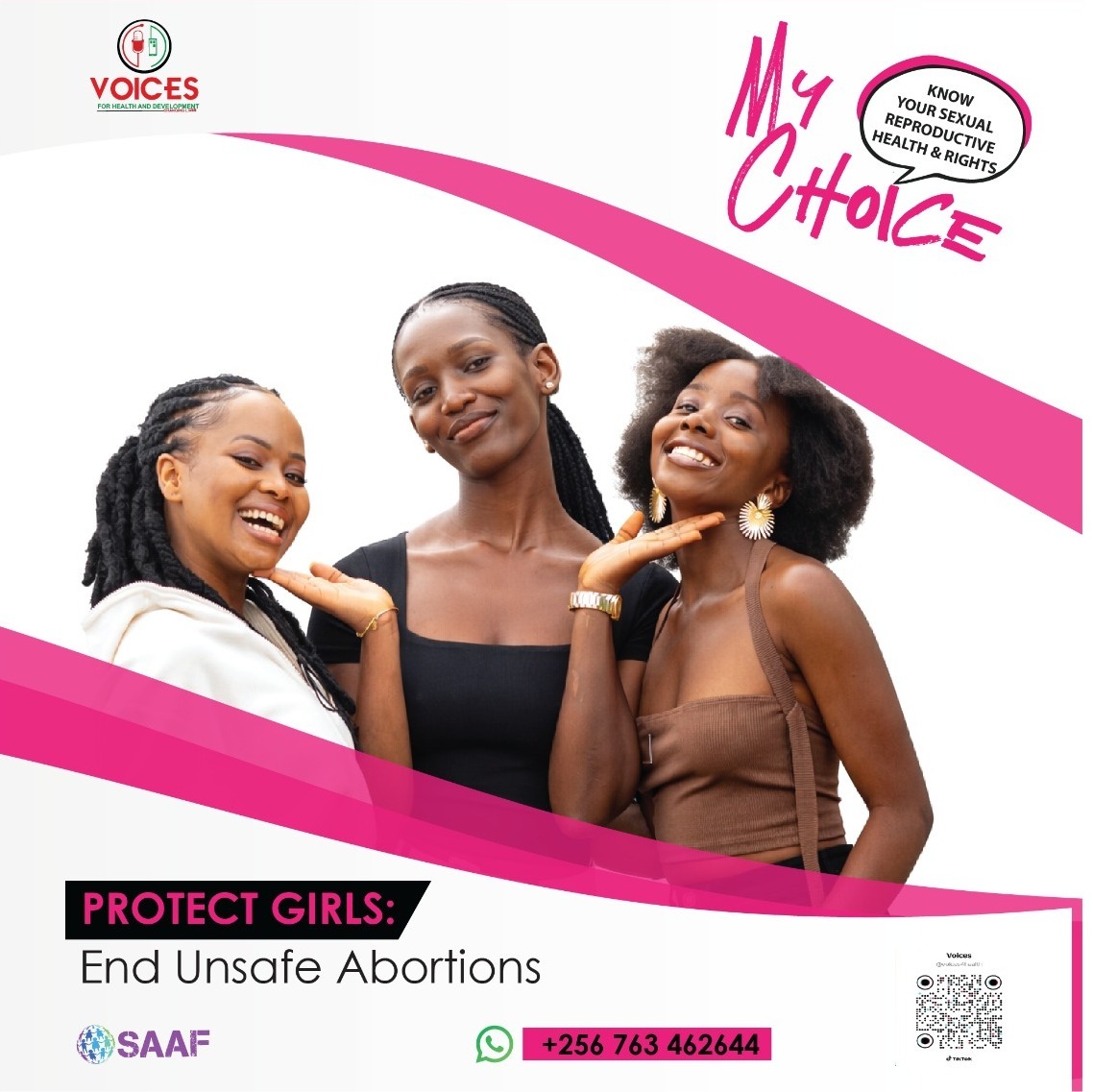
Voices for Health and Development is set to launch the ‘My Choice’ Campaign at Nkumba University today, 23rd April 2026.
The youth-focused initiative seeks to expand access to sexual and reproductive health and rights (SRHR) information and care among youth.



According to officials, the launch will see students and the neighboring community benefit from free medical services, including STI Screening & Treatment, HIV Testing & Counseling, and Family Planning Services moving forward.
Awareness efforts also seek to give students free access to health consultations, information, and referrals in what organizers described as a practical step toward closing persistent gaps in youth-friendly healthcare. “We want young people to not only hear about their rights, but to experience access to services in real time,” said Mahoro Rose, the Team Lead at Voices for Health and Development. “The My Choice campaign is about ensuring that knowledge and services go hand in hand.”
The launch comes against a backdrop of ongoing reproductive health challenges in Uganda. National data shows that nearly one in every four girls aged 15–19 is a teenage mother, a statistic often linked to limited access to accurate information and supportive services. Health advocates also point to continued risks facing young women, including higher HIV infection rates and complications related to unsafe abortion.
At Nkumba University, the campaign rollout is designed to demonstrate a youth-centered model of care. Through peer-led discussions, digital engagement, and on-site services, students will be able to access both information and immediate support, a combination organizers say is often missing. “Sometimes you attend a talk and leave with questions but nowhere to go,” revealed Rose, “we are creating a safe space for students to ask questions about SRH & S, learn, and actually get help.”
The “My Choice” campaign has been co-designed with university students, incorporating their experiences to shape how information is shared and how services are delivered. Peer “infocafes” and digital platforms are expected to play a central role as the initiative expands to other institutions.
Uganda has made strides in addressing adolescent health over the past two decades, introducing policies to improve youth access to reproductive health services. However, implementation gaps and social stigma continue to limit impact, particularly among young women.
Experts say initiatives that integrate education with direct service delivery, such as the one launched at Nkumba, could help bridge the divide between policy and practice.
Now Voices for Health and Development is calling on partners, including media and civil society, to support the expansion of the “My Choice” campaign, emphasizing the need for sustained investment in youth-centered health programs.












Discussion about this post