


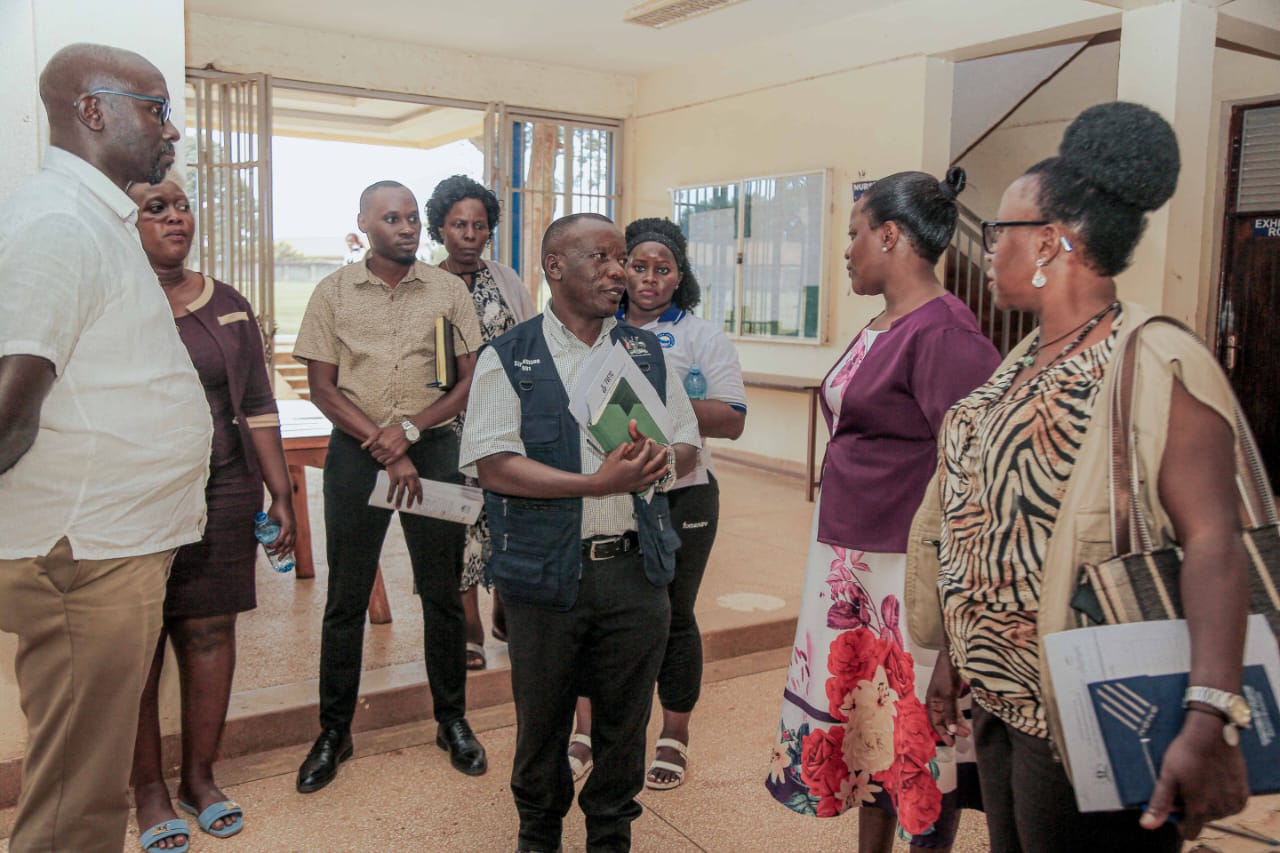
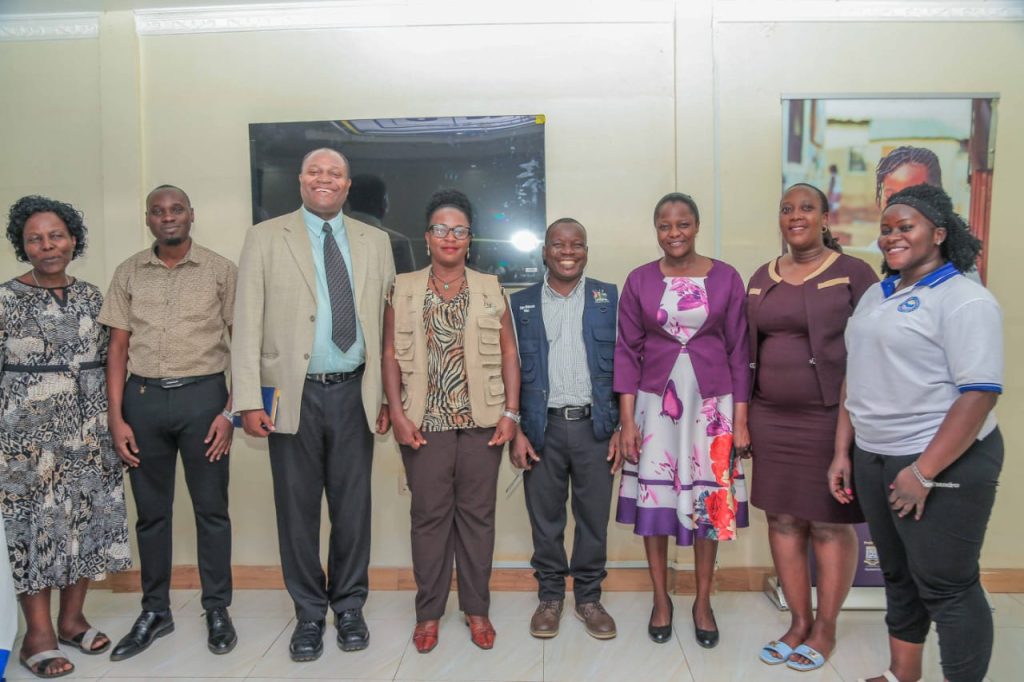
Health and Environmental Inspectors from the Ministry of Health on Friday visited Nkumba University to assess the institution’s capacity to roll out courses leading to a Diploma in Nursing and a Diploma in Nursing and Midwifery.
The inspection, coordinated by the University’s Quality Assurance Directorate, forms part of the accreditation process required before higher institutions can introduce professional health training programs.



Speaking during the exercise, the Director of the Quality Assurance Directorate, Ms Namwanje Rossette, said the visit marks a critical step toward securing approval for the proposed nursing programs. “The inspection forms part of the regulatory requirements aimed at ensuring institutions meet national standards before introducing professional health training programs,” Ms Rossette said.
The assessment focused on key areas including teaching facilities, sanitation standards, clinical training preparedness, and student support infrastructure, all considered essential components for approval of nursing education programs in Uganda.
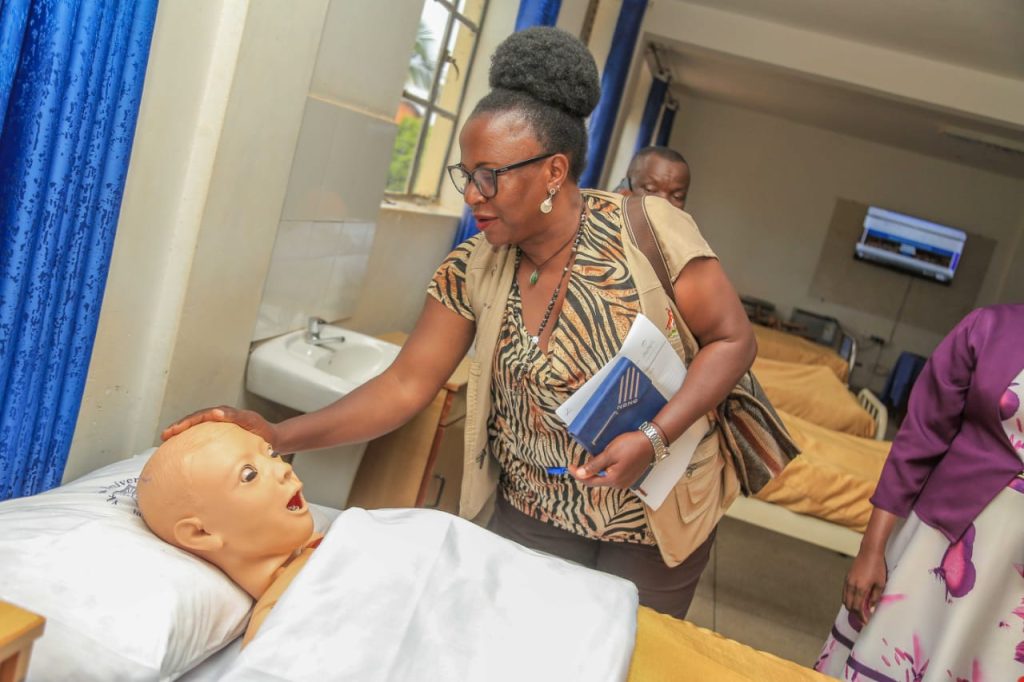
During the inspection, officials from the Ministry of Health evaluated laboratories, classrooms, skills labs, safety systems, and environmental health compliance to determine the university’s readiness to train future nurses under nationally approved standards.
Members of the inspection team emphasized that rigorous assessments are necessary to safeguard public health by ensuring that training institutions produce competent and professionally prepared graduates. “Health training programmes must meet strict regulatory benchmarks because the quality of education directly impacts patient safety and service delivery,” one of the inspectors noted during the exercise.
Established in 1994, Nkumba University has gradually expanded its academic scope from a primarily business-oriented institution into a multidisciplinary university providing programs in education, sciences, law, and health-related fields. The proposed nursing and midwifery diplomas represent another milestone in the university’s efforts to respond to Uganda’s evolving labour market demands and healthcare needs.
Uganda continues to face a shortage of trained health workers, a challenge that has prompted both government and private institutions to invest in expanding health training opportunities as part of broader health sector reforms.
University management expressed optimism that successful completion of the inspection process will pave the way as the University enters final clearance stages to enable the institution to admit its first cohort of diploma-level nursing students.












Discussion about this post