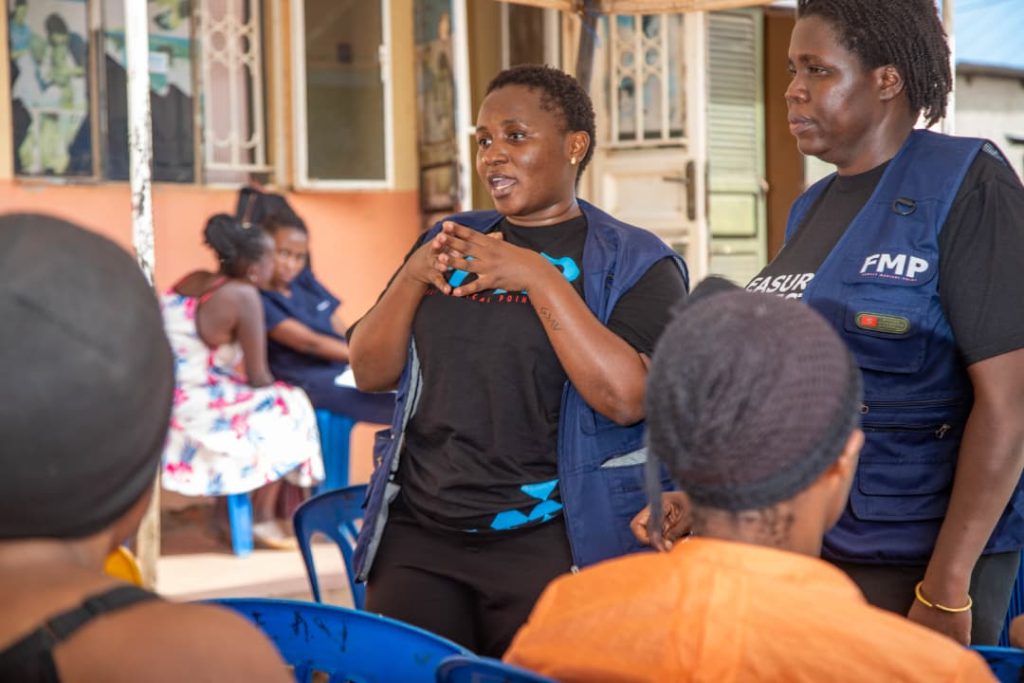

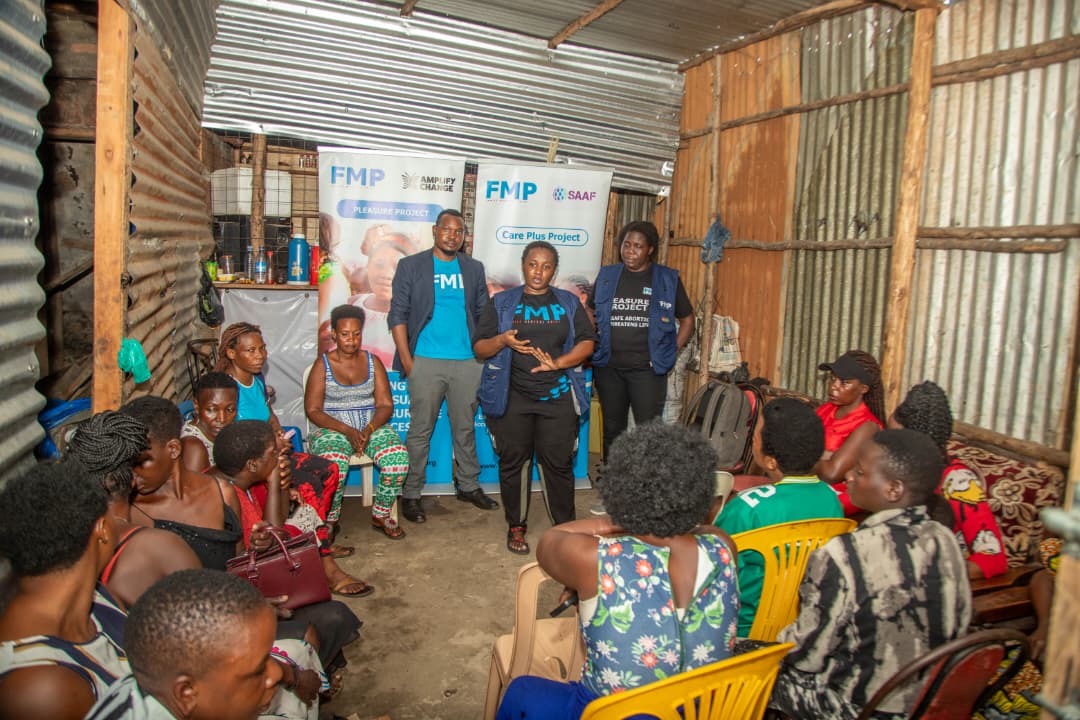
Family Medical Point (FMP), Entebbe-based public health non-governmental organization, has held its quarterly free healthcare initiative dubbed “Musawo Session” at Kigungu Landing Site.
The outreach held on Friday, 8th May 2026, focused on sexual and reproductive health rights (SRHR), with emphasis on family planning, HIV testing, sexually transmitted infections (STIs), post-abortion care, and reproductive health education targeting women and sex workers operating within the fishing community.
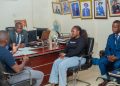

According to Nabwire Pauline, the “Musawo Session” refers to “Doctor’s Session.” This brings together health practitioners and community members in an open discussion focused on Sexual and Reproductive Health Services and Rights (SRHR).
She noted that many women, particularly those living in fishing communities, often seek medical attention only after complications have worsened. However, she said the conversations held during the Musawo Sessions help women openly discuss the realities they face and encourage them to take a more proactive approach toward their health and wellbeing. “Many things are happening here and by the time women seek help, some conditions have already escalated and become life-threatening,” Pauline said.
“When we are here, we create safe spaces where sex workers and other women can openly discuss their reproductive health challenges without fear of judgment,” she added, thanking partners, especially Marie Stopes Uganda, for the support.
One of the participants, Sylvia Najuuko, said sessions like these help women access accurate information, especially on post-abortion care. “Many women here are sex workers, and some experience unwanted pregnancies, including those resulting from forced sexual acts. Many resort to abortion but do not know what to do next or where to seek help. Through these sessions, we have been assured that support and services are just a phone call away,” she said.
Clinical Officer Thembo Enos said infections such as urinary tract infections and sexually transmitted diseases remain common within the community due to poor healthcare access and risky lifestyles associated with fishing communities.
Landing sites are often affected by high population mobility, poverty, transactional sex, alcohol abuse, and limited access to healthcare services.
Studies conducted in Uganda’s fishing communities have previously reported high rates of unsafe abortions, many of which have resulted in severe complications and maternal deaths. Health experts attribute this to limited access to reproductive health information and the continued practice of unsafe procedures carried out outside regulated health facilities, partly due to legal and social restrictions surrounding abortion in Uganda.
Ministry of Health and development partners have expanded mobile clinics, HIV testing campaigns, family planning services, and awareness programs targeting fishing communities. However, demand for services continues to outpace available resources.
Founded in 2017, Family Medical Point was established to improve access to affordable healthcare services among underserved populations, especially women and young people living in fishing communities.
Through its quarterly “Musawo Sessions,” the organization continues to provide mobile healthcare, SRHR education, HIV services, and maternal health support to hard-to-reach communities across Uganda.