


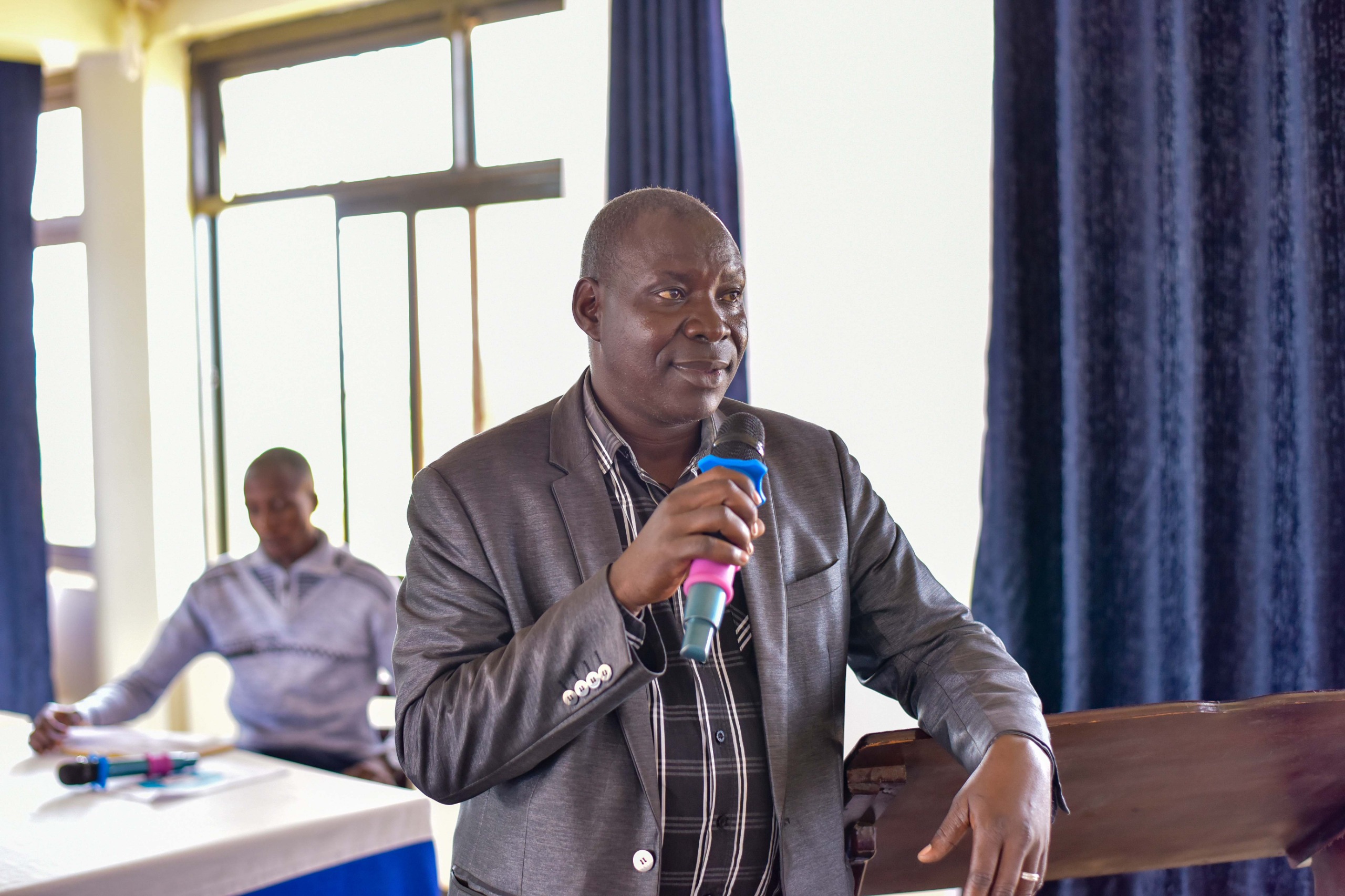
Newly admitted students have been urged to embrace discipline, attend lectures consistently, and plan carefully for their academic journey in order to succeed at university.
Addressing freshers on February 11, 2026, Mr. John William Otim, Deputy Academic Registrar at Nkumba University, emphasized that university education demands responsibility, self-drive, and active engagement with academic systems. “At the university, it is about you and your effort,” Mr. Otim told students. “Nobody will force you to attend lectures or follow your progress every day. You must take charge, attend classes, monitor your results, and seek help whenever you face challenges.”





He explained that orientation programs are designed to help students understand academic expectations, course requirements and the direction of their studies. “We want you to know what is expected of you from the first day to graduation. The knowledge and skills you gain here should prepare you to survive and contribute meaningfully to society,” he said.
Mr. Otim urged students to be present and punctual for lectures, warning that absenteeism often leads to poor performance. Recalling a personal experience as a student, he narrated how a lecturer once continued teaching an empty class, leaving late students to struggle catching up later. “Be in the right place at the right time. Some lecturers even award marks for attendance, and missing coursework can cost you greatly,” he said.

He further guided students on the university’s assessment structure, explaining that continuous assessment and coursework contribute significantly to final grades alongside examinations. “Do your assignments, participate in discussions and presentations, and prepare well for exams. If you fail to plan now, repeating courses later becomes costly and stressful,” he cautioned.
On academic integrity, Mr. Otim warned strongly against examination malpractice, describing it as a serious offence that can lead to dismissal and damage to one’s academic record. “We do not tolerate cheating. Protect your future by being honest and working hard,” he said.
He also encouraged students facing financial, medical or personal challenges to communicate early with the Academic Registrar’s office rather than disappear from studies. The university, he noted, provides structured options such as deferment of studies, credit transfer for diploma holders upgrading to degrees, and academic guidance for students experiencing difficulties. “Challenges are part of life, but the most important thing is communication. When you inform us, we are able to guide and support you,” he said.
Mr. Otim further highlighted the role of internships in preparing students for the job market, noting that practical training allows learners to apply classroom knowledge in real-world environments before graduation.
University orientation sessions in Uganda have long played a key role in shaping students’ transition from secondary education to higher learning. Over time, institutions have strengthened academic guidance, attendance monitoring and integrity policies to improve completion rates and graduate quality.
Mr Otim concluded by urging freshers to remain focused and committed throughout their studies. “You came here to learn, grow and graduate as competent professionals. Stay disciplined, respect everyone, work hard and make your years at university count,” he said.
